San Diego · São Paulo · Los Angeles · Madrid · Seoul

Trevor Kann.

I'man applied linguist.an energy strategist.a director of education.a classroom storyteller.a decarbonization writer.a curriculum designer.a recovering academic.a cruciverbalist.a language lover.

Applied linguist by training, energy strategist by trade. I'm Director of Education at Evolved Energy Research — where I translate modeling work for the people who need to read it, and try to keep the seminar table and the grid in the same conversation.

20+
Yrs teaching
1000+
Students
4
Continents
too many
Student papers graded
Currently: Finalizing the first series for the "Language and Power" blogCurrently: Drafting a paper on incorporating EMI in BrazilCurrently: Managing the publication Staying Current for Evolved Energy ResearchCurrently: Designing an energy themed crosswordCurrently: Finalizing the first series for the "Language and Power" blogCurrently: Drafting a paper on incorporating EMI in BrazilCurrently: Managing the publication Staying Current for Evolved Energy ResearchCurrently: Designing an energy themed crossword
About

A linguist who kept translating.

The shortest version of the story: I spent twenty years studying and teaching how humans use language, then learned how to channel these efforts to making a difference in the energy transition. Same interactions, different vocabulary.
ESL class at UCLA
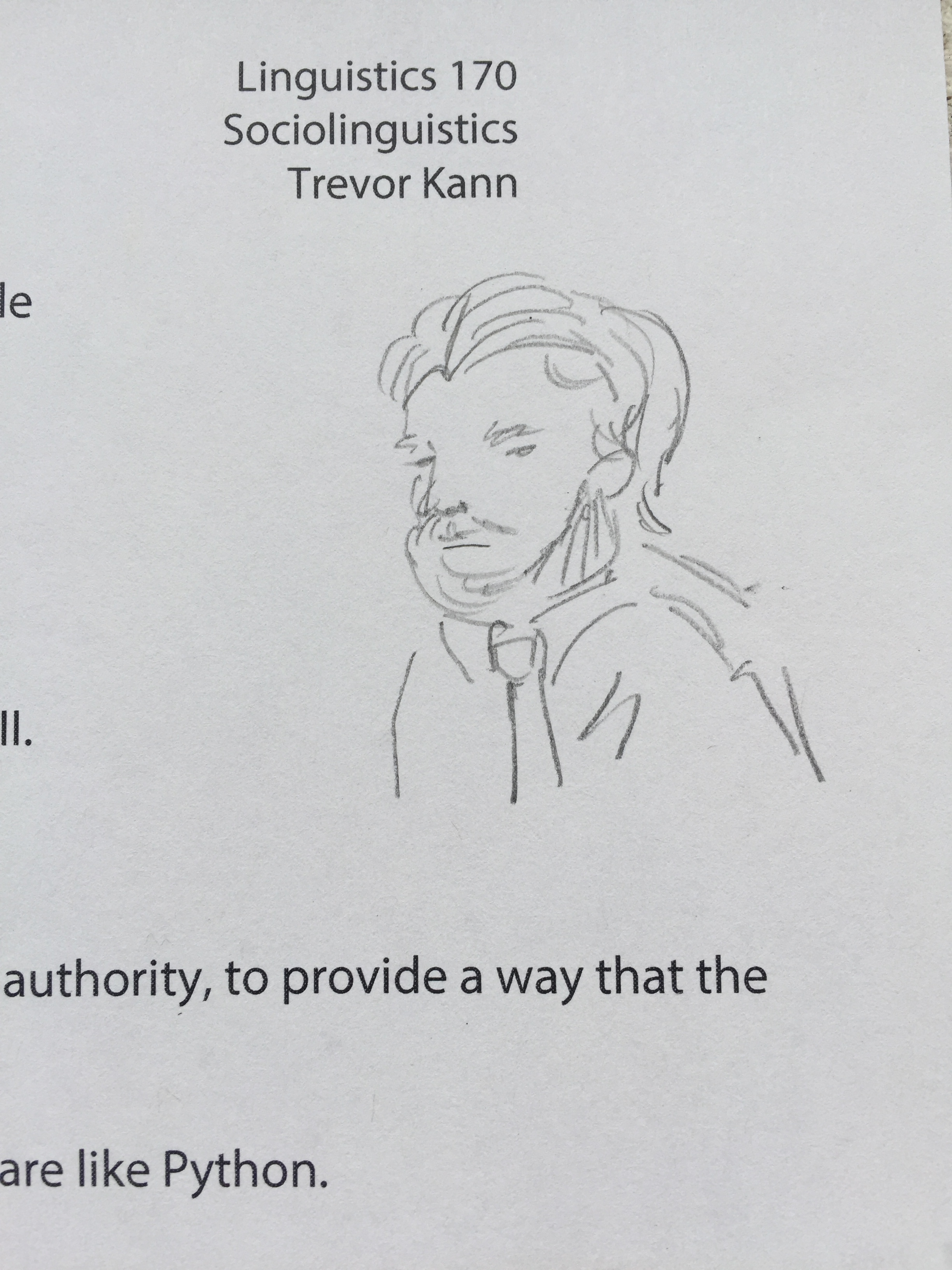
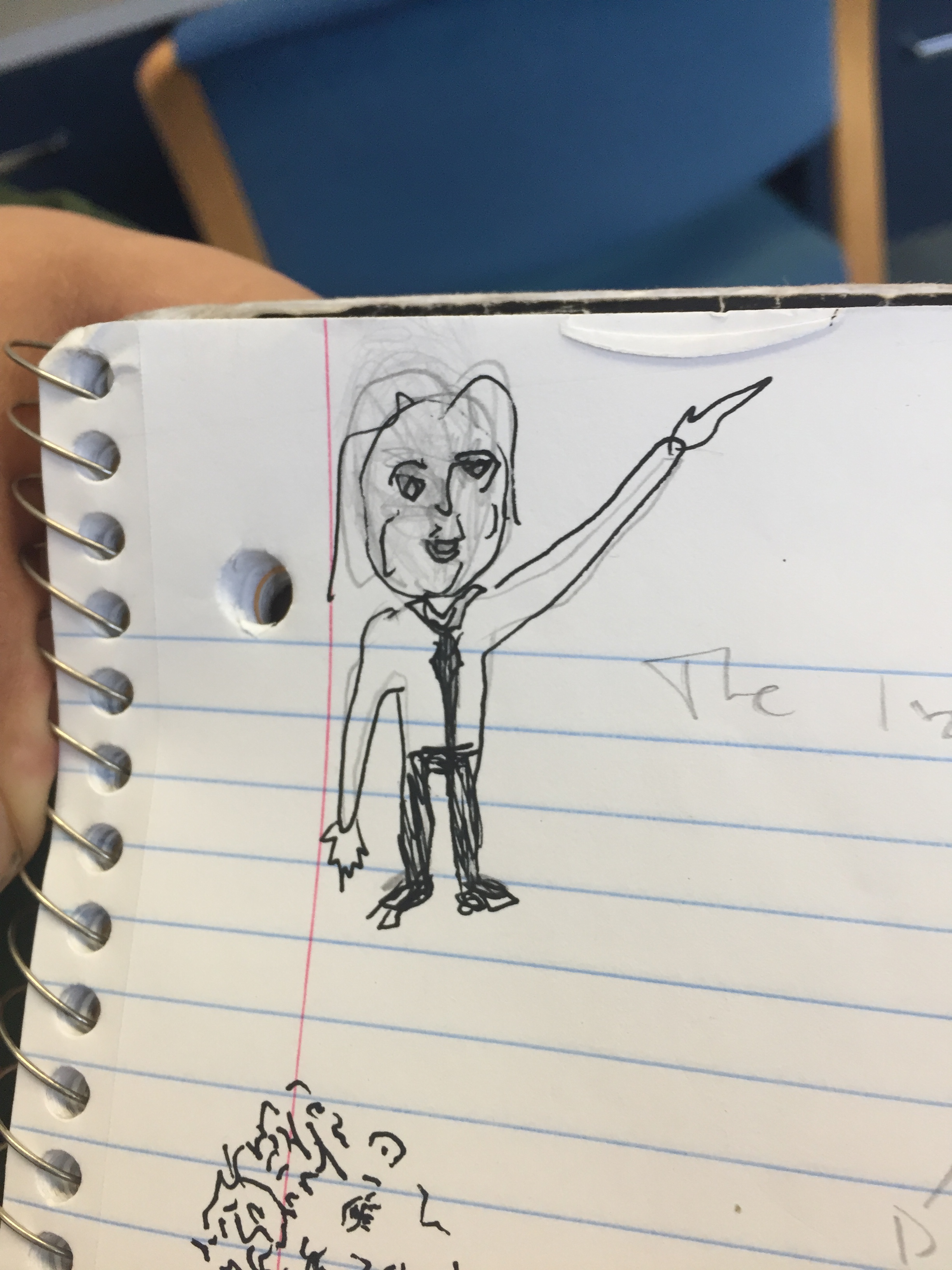
Student Sketch
in EEG lab
Zaidel Lab, UCLA
student letter from end of term
Portrait of a Lecturer
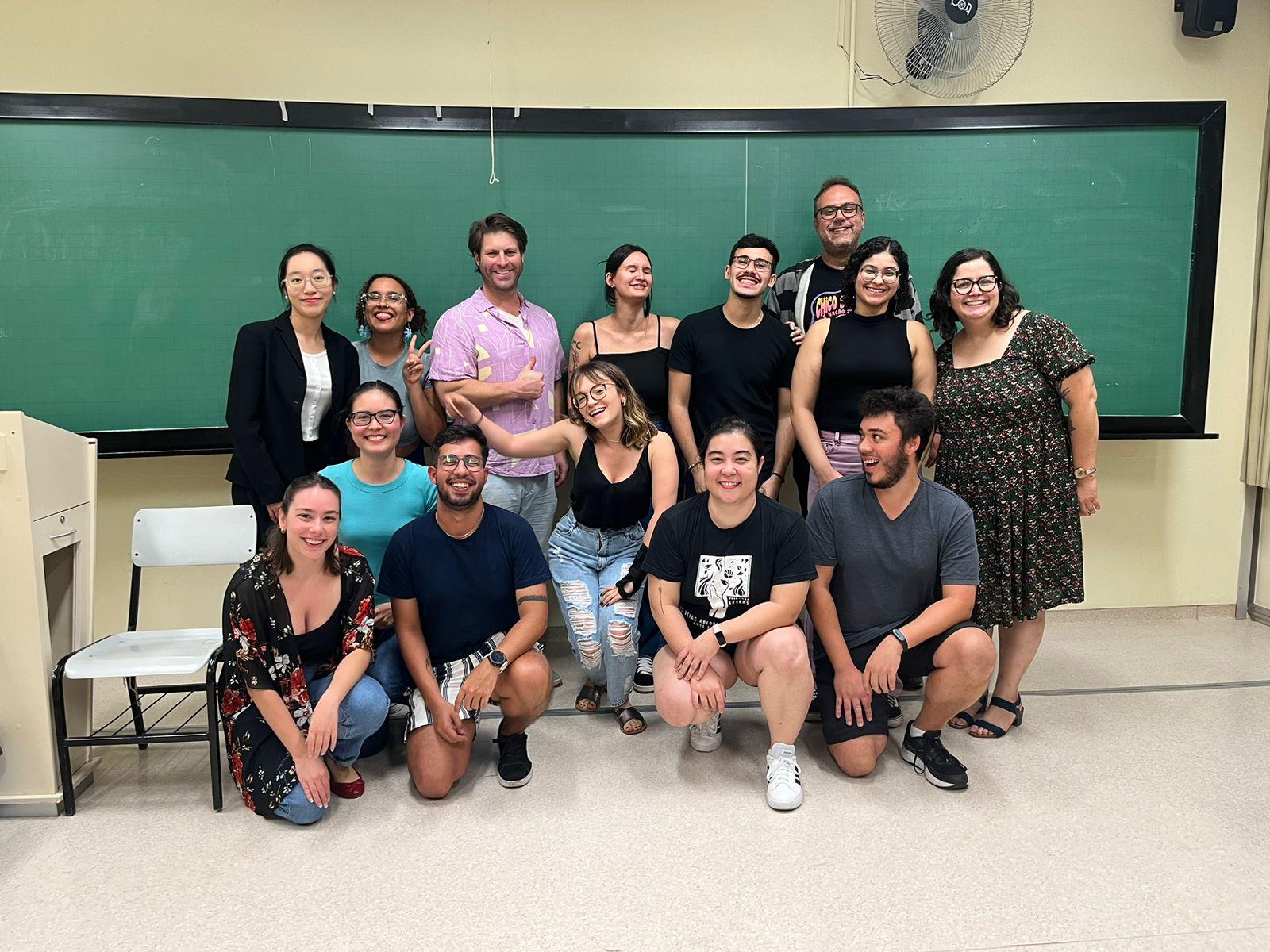
USP despedida 2024
ESL · UCLA
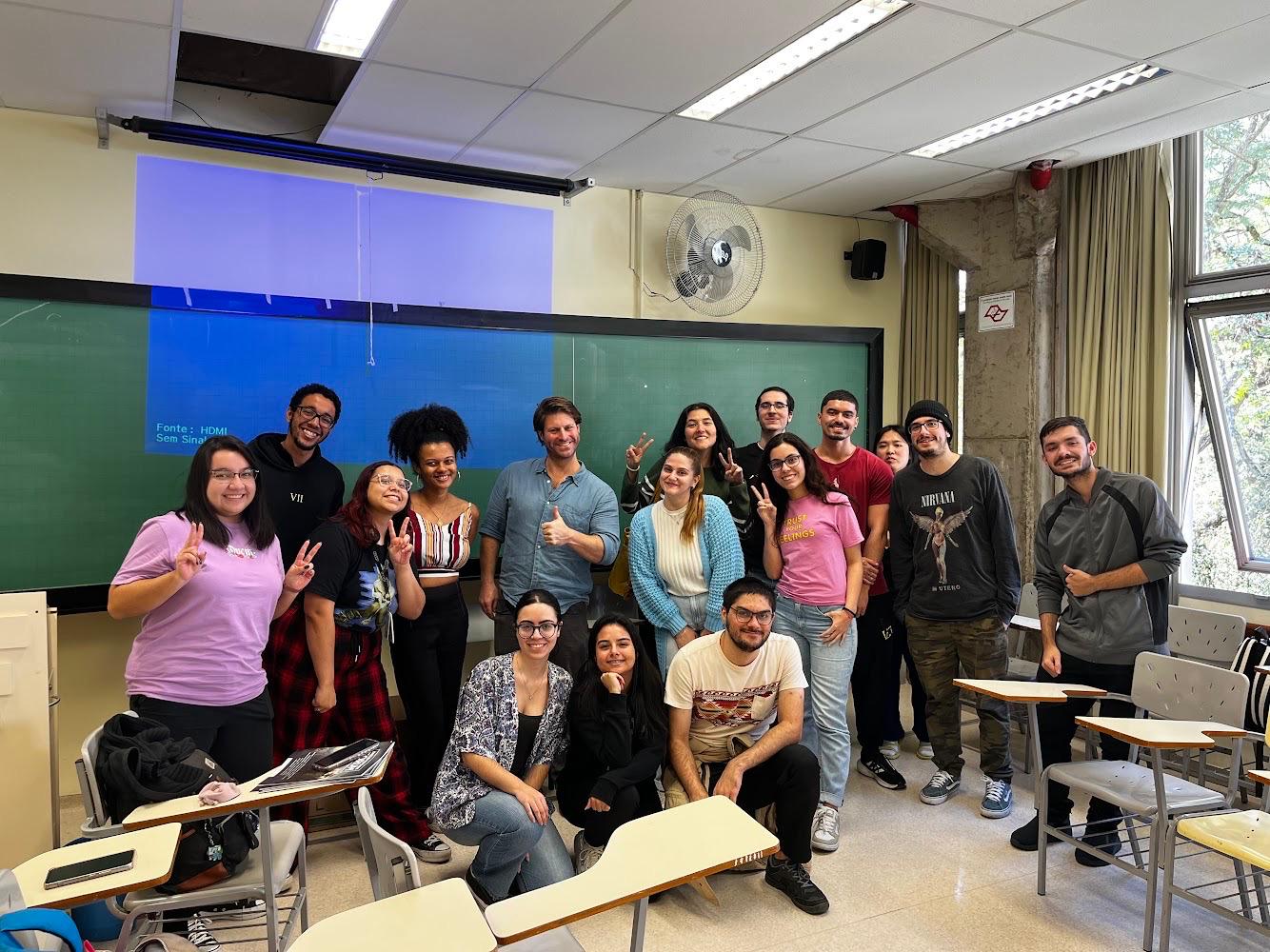
classroom selfie at USP
Topics in AppLing · USP
class at USP
São Paulo · 2023
Thank you Trevor chalkboard
Despedida · USP 2024

I'm Trevor — a teacher who ended up in energy.

I trained at UCLA (PhD, Applied Linguistics) studying empathy in language: how grammar encodes perspective-taking and how speakers position themselves relative to what's being said. I lectured there for ten years, then moved to Brazil as a U.S. Department of State English Language Fellow and Visiting Professor at the University of São Paulo, where I taught linguistics, established an English-as-a-Medium-of-Instruction program, and practiced my pronunciation of paralelepípedo.

In 2024 I joined Evolved Energy Research as Director of Education. EER builds custom energy models for NGOs, governments, and utilities planning for the decarbonization transition. My job is to make that work legible to clients, journalists, and the public.

Turns out applied linguistics is good training for this. Both fields are about how meaning moves — or gets lost — across the gap between expert and audience. If you can teach a Brazilian engineer to lecture in English, you can teach a lobbyist what the difference between energy and power actually is (hint: total amount vs. usage speed).

Language is infrastructure.
Applied Linguistics PhDEER Director of EducationEMI specialistEEG / psycholinguisticsPT · EN · ESCrossword setter
Intersection

Language Energy.

The two fields share more vocabulary than anyone tells you. Power, current, capacity, code — each one does real work in both worlds. Hover the map, flip the cards.
Linguistics Bridge concept Energy

Etymology explorer

Click a word to flip it.
power
/ˈpaʊ.ər/
O.Fr. poeir, from L. potere — to be able
The word in both
power
Language: who holds authority in speech; whose words carry weight.
Energy: the rate at which work is done.
Both: what is this agent able to cause?
current
/ˈkʌr.ənt/
L. currere — to run
The word in both
current
Discourse: shared context {you, me, here, now} and what flows in speech right now.
Electrical: flow of charge through a conductor.
Both: something running past.
capacity
/kəˈpæs.ɪ.ti/
L. capax — able to hold
The word in both
capacity
Linguistic: the uniquely human drive to engage with others through language.
Grid: installed potential available to meet demand.
Both: what a system can do when called upon.
transition
/trænˈzɪʃ.ən/
L. transitionem, from trans- + ire — a going across
The word in both
transition
Conversation: the moment, cued by grammar and prosody, when a speaker yields the floor.
Energy: from fossil fuels to a decarbonized system.
Both: a managed handoff from one state to another.
code
/koʊd/
L. codex — wooden tablet, book
The word in both
code
Language: the repertoire speakers shift between across social contexts.
Energy: the programming languages that translate real-world systems into computable form.
Both: governed by rules that shape what's possible.
Blog

Language and Power.

An essay project on how we talk about energy — and how the way we talk determines which futures we let ourselves imagine. Published on Substack, cross-linked here.
COMING SOON · SUBSTACK
Language
and Power
A newsletter at the intersection of applied linguistics and energy planning. One essay a month, plus notes from the field — the grid yard, the classroom, and everywhere between.
Essay · 10 min

Terms of Surrender

In March 2025, the NYT quietly removed roughly a hundred climate and energy terms from official use. Federal agencies followed. A close look at what the vocabulary of a crisis looks like when institutions stop saying it.

Read the draft →
Essay · 9 min

Don’t Think About ‘Clean Energy’

Language doesn't just describe a crisis. It makes the crisis available for thought, conversation, and collective demand. What framing theory and critical discourse analysis reveal about the effects of the vocabulary that's gone.

Read the draft →
Essay · 8 min

The Words They Left You

The professional translates "non-traditional technologies" back to "clean energy" in their head. The member of the public just loses the phrase. On the asymmetry between experts and everyone else, and who pays for it.

Read the draft →

Contact

Let's talk.

Email is best — I'm friendly and reasonably prompt. Open to speaking, workshops, guest lectures, collaborations on writing at the language ↔ energy intersection, and the occasional crossword constructor swap.

Office1431 Pacific Hwy, Ste 2 · San Diego, CA 92101
WritingLanguage and Power · Substack